/////////////ENGLISH TEXT BELOW/////////////
DORIAN PIMPERNEL – Flowers Too
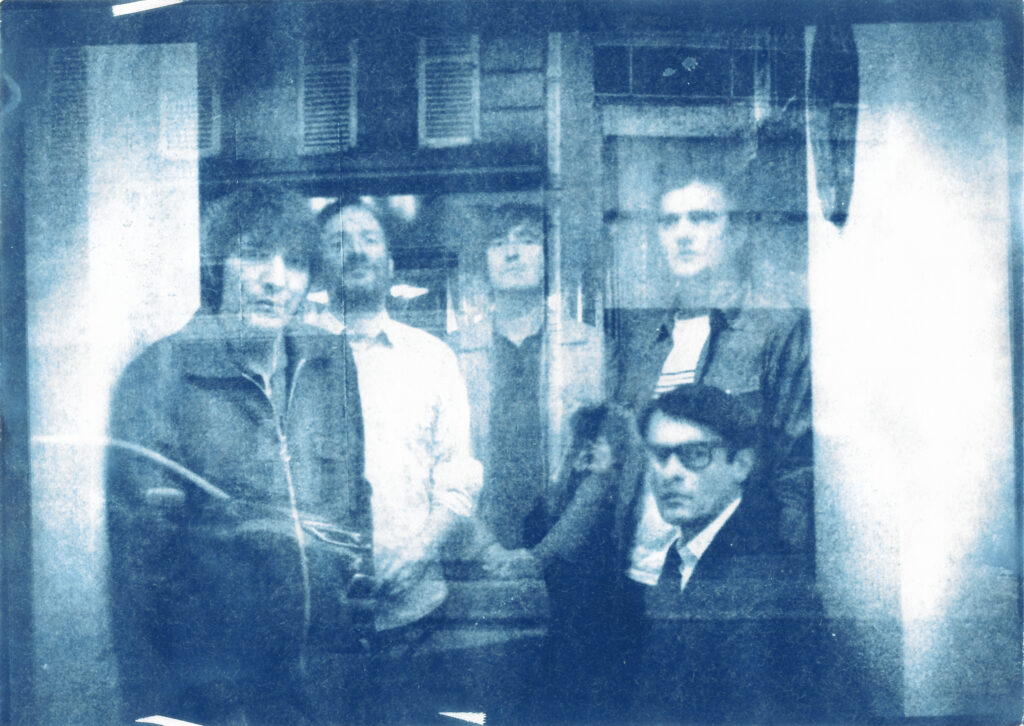
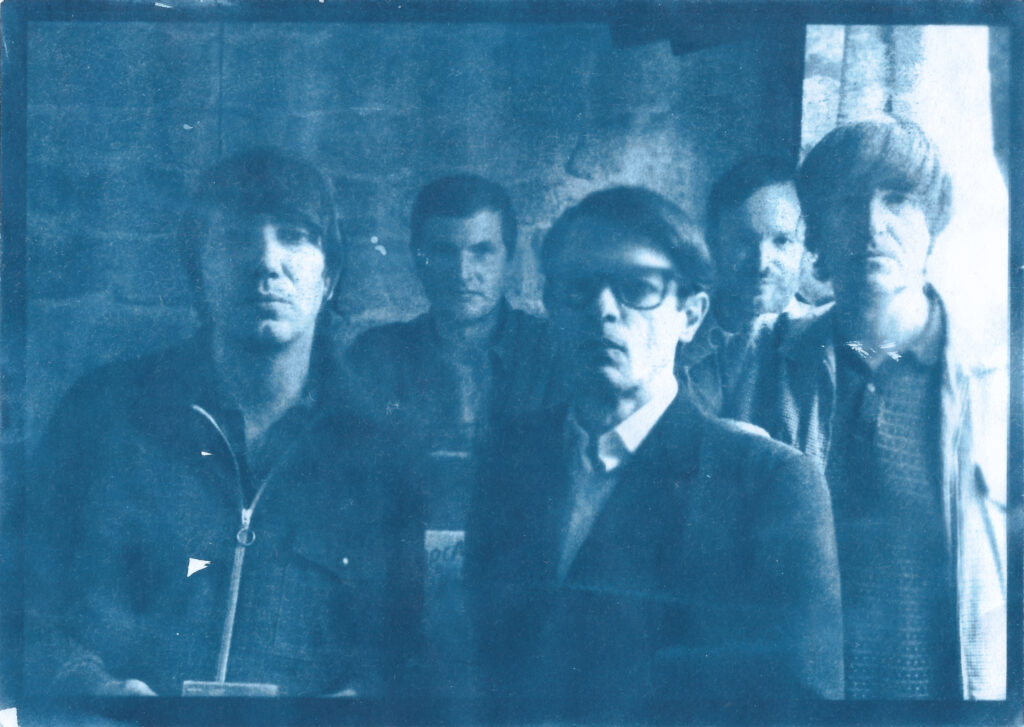
En mars 2014, le quintet parisien Dorian Pimpernel sortait avec Allombon un splendide manifeste pop, une collection de symphonies de poche gracieuses et érudites, puisant aux sources de la pop savante des 60s (Beach Boys, Zombies, White Noise), du krautrock (Cluster, Harmonia, Kraftwerk) et de l’école de Canterbury (Kevin Ayers, Robert Wyatt) pour en faire dériver, un peu à la manière « hantologique » de Broadcast – autre influence majeure –, leur esthétique singulière, tout à la fois nostalgique et moderne, mélodieuse et tortueuse, radieuse et obscure, occulte (doucement ésotérique, aimant les choses cachées et mystérieuses). Ils ont inventé un concept pour la définir : « moonshine pop », soit l’envers nocturne, lunatique, onirique, ou l’autre côté du miroir, de la sunshine pop.
Douze ans plus tard, Dorian (inspiré par le mode dorien de la Grèce antique) Pimpernel (mot anglais pour une fleur : le mouron) revient avec un deuxième album inespéré, qui prolonge, développe et enrichit l’esthétique pop moderniste du quintet. Douze ans, et moult péripéties : pour Johan Girard, compositeur et maître d’œuvre du projet, Dorian Pimpernel est une histoire au long cours, une création affranchie des contraintes matérielles d’un groupe de rock professionnel, quand les autres membres du groupe ont développé leurs projets respectifs. Hadrien Grange (batterie) en tant qu’homme-orchestre de Speed 3, clavier de Tahiti 80 et batteur pour Klub des Loosers ; Laurent Talon, fondateur du Morricone Pop Ensemble et musicien pour Boris Maurussane ; Benjamin Esdraffo (claviers) dans la composition de musiques de films ; Jérémie Orsel, au sein de The Gentle Spring.
Dorian Pimpernel aime les fausses pistes, les chausse-trappes et les chansons à tiroirs, et si ces nouveaux morceaux obéissent plus volontiers au format pop classique – couplets qui posent une atmosphère, une narration, refrains qui explosent, qui emportent – ils ouvrent sans cesse des chemins perpendiculaires, ou verticaux, sur les intros (celle de Oruga Encantada, une séquence de synthétiseur rappelant le Zuckerzeit de Cluster), les ponts (un break dub-exotica ralenti sur Twisted Charm Honey), les outros (celle de Chlorine Fumes, partant en groove kraut-funk à la Stereolab, ou de Circular Rites, quasi prog avec ses notes solennelles de piano martelés). Et quand la voix haute et blanche de Jérémie Orsel ne flotte pas sur des pop songs volontiers accrocheuses, des instrumentaux laissent libre cours aux velléités exploratrices du quintet : vers l’espace avec Sur la lune, écrit pour une bande originale du Voyage dans la lune de Georges Méliès, ou inventant un pont entre Düsseldorf et Canterbury sur Brücke (une pedal steel lui ajoutant un petit côté Nashville inattendu).
Composées à partir de séquences, d’essais, de débuts et de bouts de morceaux, collés entre eux, réenregistrés autrement, enrichis des apports de chacun ou de chœurs beach-boysiens (dans lesquels se sont amicalement invités Mehdi Zannad ou Ela Orleans), les chansons de Flowers Too documentent douze années d’expérimentations versatiles, d’associations libres (les textes des chansons jouant autant sur les sons que sur le sens des mots), d’une chanson composée pour une chanteuse française populaire (Twist à Chamonix, devenue, par un amusant exercice de « traducson » oulipien, Twisted Charm Honey), à ce Caravelle crépusculaire initialement composé par Benjamin Esdraffo pour le chanteur anglais Robbi Curtice. Stéphane Laporte (Domotic), qui a mixé et masterisé ces bandes éparses pour leur apporter homogénéité, brillance et moult effets psychédéliques, est à ce titre comme un sixième membre du groupe.
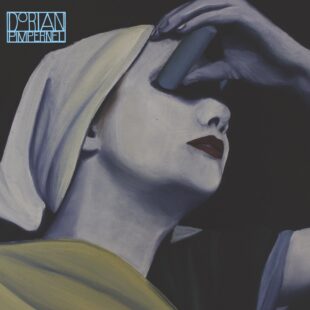
En 11 morceaux, Johan Girard déploie un instrumentarium extensif (piano Wurlitzer, écho à bande, synthétiseurs analogiques, nappes d’orgues et antiques boîtes-à-rythmes) lui permettant de multiplier les couleurs, les textures, de simuler cuivres et cordes, pour in fine, offrir une suite à Allombon (la pochette de Silvia Idili, la même illustratrice que pour leur premier album, accentuant l’effet sériel) qui est plus qu’un prolongement, mais la réactualisation de son esthétique à l’aune du contemporain. En réaction aux formats courts, à la monophonie et au minimalisme des nouveaux standards commerciaux, Dorian Pimpernel ravive le geste symphonique pop, la beauté des simulacres, l’idéal porté par la mélodie, aussi dissonants et inquiétants que soient les bruits du monde.
Wilfried Paris
 ///////////////////////ENGLISH////////////////////////
In March 2014, the Parisian quintet Dorian Pimpernel released Allombon, a splendid pop manifesto: a collection of graceful and erudite pocket symphonies drawing from the wellsprings of sophisticated 1960s pop (Beach Boys, Zombies, White Noise), krautrock (Cluster, Harmonia, Kraftwerk), and the Canterbury scene (Kevin Ayers, Robert Wyatt). From these influences they derived—somewhat in the “hauntological” spirit of Broadcast, another major inspiration—their own singular aesthetic: at once nostalgic and modern, melodic yet twisted, radiant and obscure, occult (gently esoteric, fond of hidden and mysterious things). They even coined a concept to describe it: “moonshine pop,” the nocturnal, lunatic, dreamlike flip side—the other side of the mirror—of sunshine pop.
Twelve years later, Dorian (inspired by the Dorian mode of Ancient Greece) Pimpernel (an English word for a flower: the scarlet pimpernel) returns with an unexpected second album that extends, develops, and enriches the quintet’s modernist pop aesthetic. Twelve years—and many twists and turns. For Johan Girard, the project’s composer and driving force, Dorian Pimpernel has always been a long-term story, a creation freed from the material constraints of a professional rock band, while the other members pursued their own paths. Hadrien Grange (drums) as the one-man band Speed 3, keyboardist for Tahiti 80 and drummer for Klub des Loosers; Laurent Talon, founder of the Morricone Pop Ensemble and musician for Boris Maurussane; Benjamin Esdraffo (keyboards), composing film scores; and Jérémie Orsel with The Gentle Spring.
Dorian Pimpernel enjoys false leads, hidden traps, and songs with multiple layers. While these new tracks more readily follow the classic pop format—verses that establish atmosphere and narrative, choruses that burst open and carry the listener away—they constantly open perpendicular or vertical pathways: in the intros (such as Oruga Encantada, whose synthesizer sequence recalls Zuckerzeit by Cluster), the bridges (a slowed-down dub-exotica break on Twisted Charm Honey), or the outros (the kraut-funk groove of Chlorine Fumes in the spirit of Stereolab, or the almost prog-like Circular Rites with its solemn, hammered piano notes). And when Jérémie Orsel’s high, clear voice is not floating over irresistibly catchy pop songs, instrumental pieces allow the quintet’s exploratory impulses to roam free: into space with Sur la lune, written for a soundtrack to Georges Méliès’ A Trip to the Moon, or building a bridge between Düsseldorf and Canterbury on Brücke (a pedal steel adding an unexpected touch of Nashville).
Composed from sequences, sketches, beginnings, and fragments of songs—spliced together, re-recorded in different ways, enriched by each member’s contributions or by Beach Boys-style vocal harmonies (with friendly guest appearances by Mehdi Zannad and Ela Orleans)—the songs on Flowers Too document twelve years of versatile experimentation and free associations. The lyrics play as much with the sounds of words as with their meanings, ranging from a song originally written for a popular French singer (Twist à Chamonix, later transformed through an amusing Oulipian exercise of “traducson” into Twisted Charm Honey) to the twilight-tinged Caravelle, initially composed by Benjamin Esdraffo for the English singer Robbi Curtice. Stéphane Laporte (Domotic), who mixed and mastered these scattered recordings to bring them cohesion, brightness, and a wealth of psychedelic effects, stands in many ways as a sixth member of the band.
Across eleven tracks, Johan Girard deploys an expansive instrumentation (Wurlitzer piano, tape echo, analog synthesizers, organ layers, and antique drum machines), enabling a rich palette of colors and textures, even simulating brass and strings. The result is a sequel to Allombon (the cover by Silvia Idili, the same illustrator as their debut, reinforcing the sense of continuity) that is more than a mere extension: it is a renewal of their aesthetic in light of the contemporary moment. In reaction to short formats, monophony, and the minimalism of new commercial standards, Dorian Pimpernel revives the symphonic pop gesture—the beauty of simulacra and the ideal carried by melody, however dissonant and unsettling the noises of the world may be.
Wilfried Paris